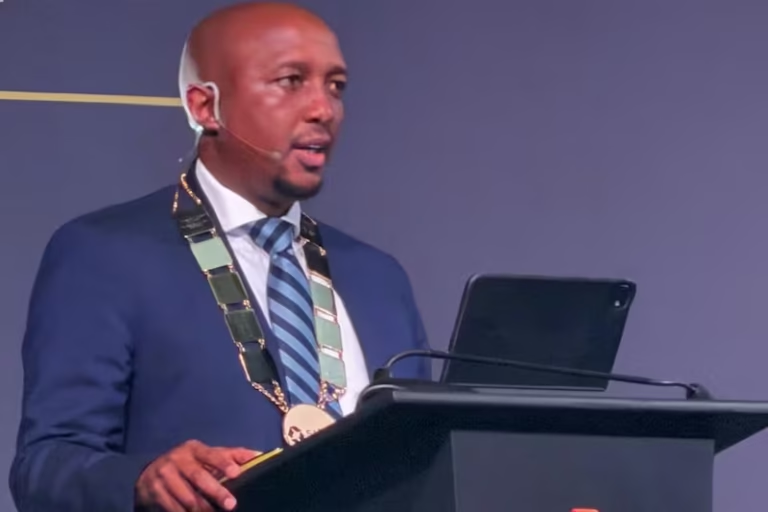
Property owners can’t afford to ignore their municipality anymore
When the head of South Africa’s biggest property owners’ body says the industry has to stop watching from the sidelines, it’s worth paying attention.

When the head of South Africa’s biggest property owners’ body says the industry has to stop watching from the sidelines, it’s worth paying attention.

As South Africa heads toward municipal elections, the article explores why so many residents experience local government through a “fight or flight” lens, and whether political promises can ever translate into real service delivery.

Pensioners, time is running out to apply for your property rates relief. Do not wait until it is too late!

City of Johannesburg Debt Relief Programme closes at the end of october. All applications must be submitted b 31 October 2026 and late applications will not be considered.

The City thanks pensioners, social grant recipients and indigent residents who have applied for relief for their patience. Our teams are currently processing high volumes of applications.
This comment is from a valuation and rates policy perspective, with reference to the City of Tshwane’s 2024/25 Rates Policy

The City of Cape Town has published a draft Short-Term Letting By-law, 2026, aimed at addressing how Airbnb-style rentals are advertised, how they are categorised and rated for municipal property rates purposes.

Owners of non-residential properties that may be smaller but have have a higher value are now required to pay more for refuse removal.
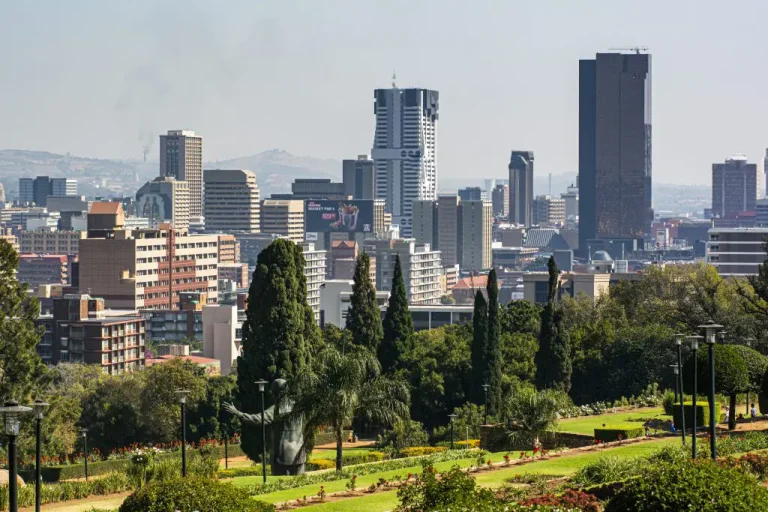
Qualifying households, businesses and vulnerable residents can now apply for debt relief of up to 70%, while registered indigent and child-headed households may qualify for a full municipal debt write-off under Tshwane’s new programme.
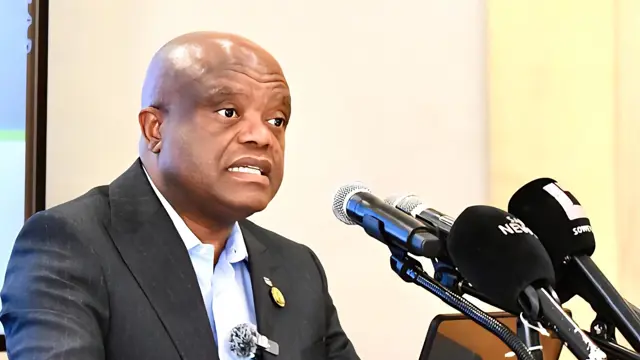
Johannesburg is among 69 municipalities placed under corrective measures by National Treasury aimed at protecting public funds and forcing councils to fix their financial management.
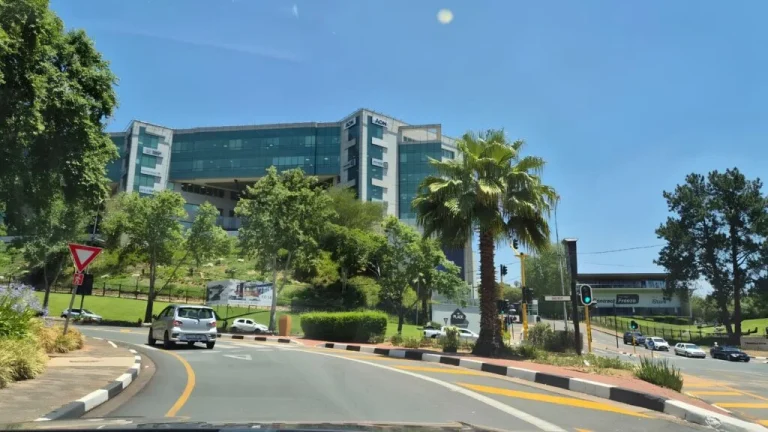
Growthpoint Properties, South Africa’s largest JSE-listed REIT with a market capitalisation exceeding R59 billion, has spent the past decade steadily pulling capital out of Johannesburg — and its own annual reports read like a case study in municipal failure.

SAPOA’s latest newsletter is packed with updates relevant to property owners across South Africa.
As property owners, ratepayers, and business owners, what happens with your tax money directly affects your bottom line and your community. We regularly share updates from OUTA (Organisation Undoing Tax Abuse)

The rates increases for the metros and selected larger local municipalities are set out below:

Recent court decisions continue to shape the way municipalities fund services and implement property-related charges. A significant Western Cape High Court judgment has important implications for both municipalities and ratepayers.